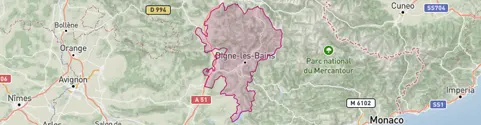
Saint Benoît Park and its treasures

© UGHP
Parc Saint Benoît invites you to take a stroll where contemplation mingles with wonder: butterfly garden, Japanese garden, magnificent tufa waterfall, works of contemporary art… will punctuate your way to the museum.

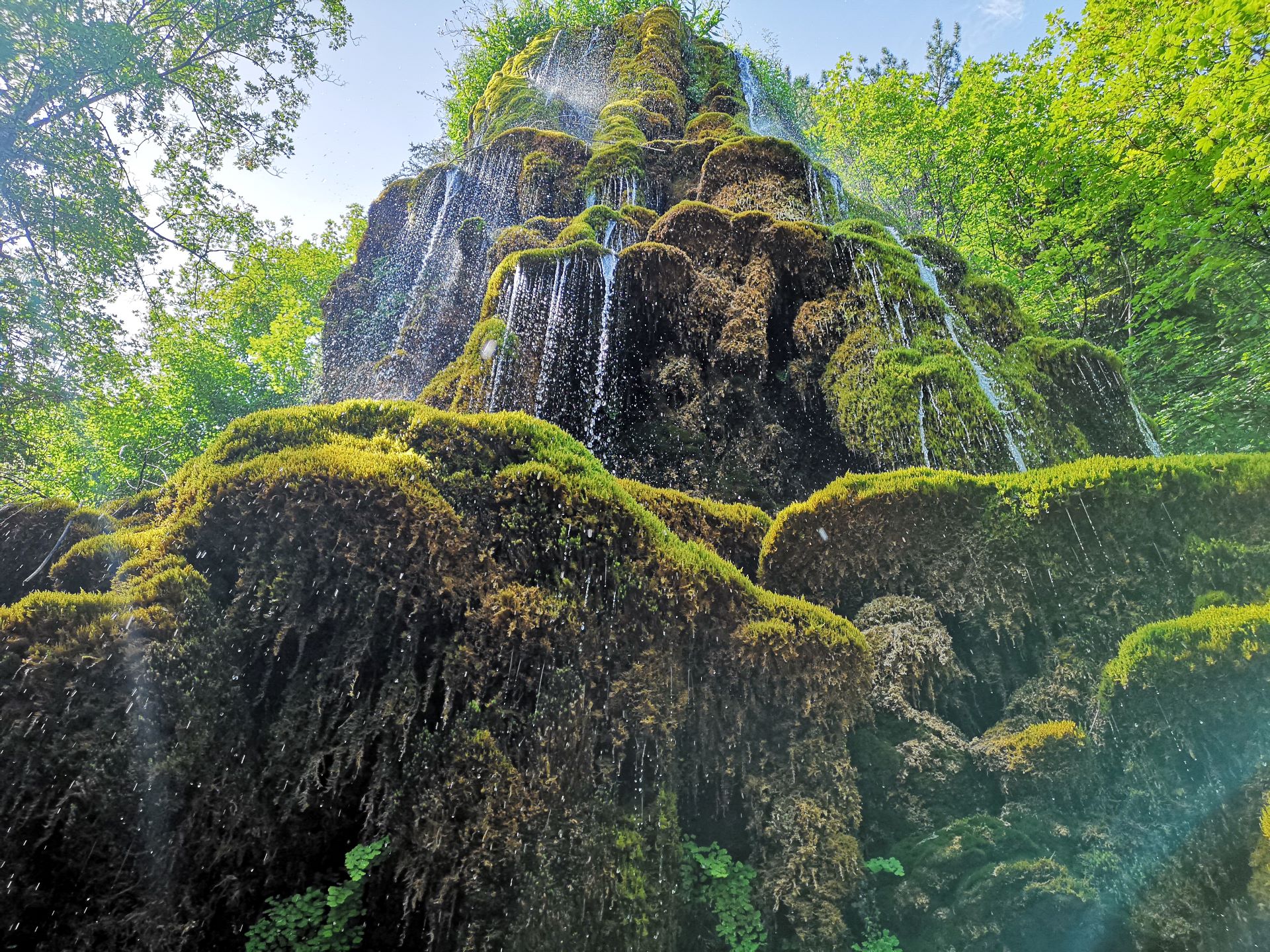
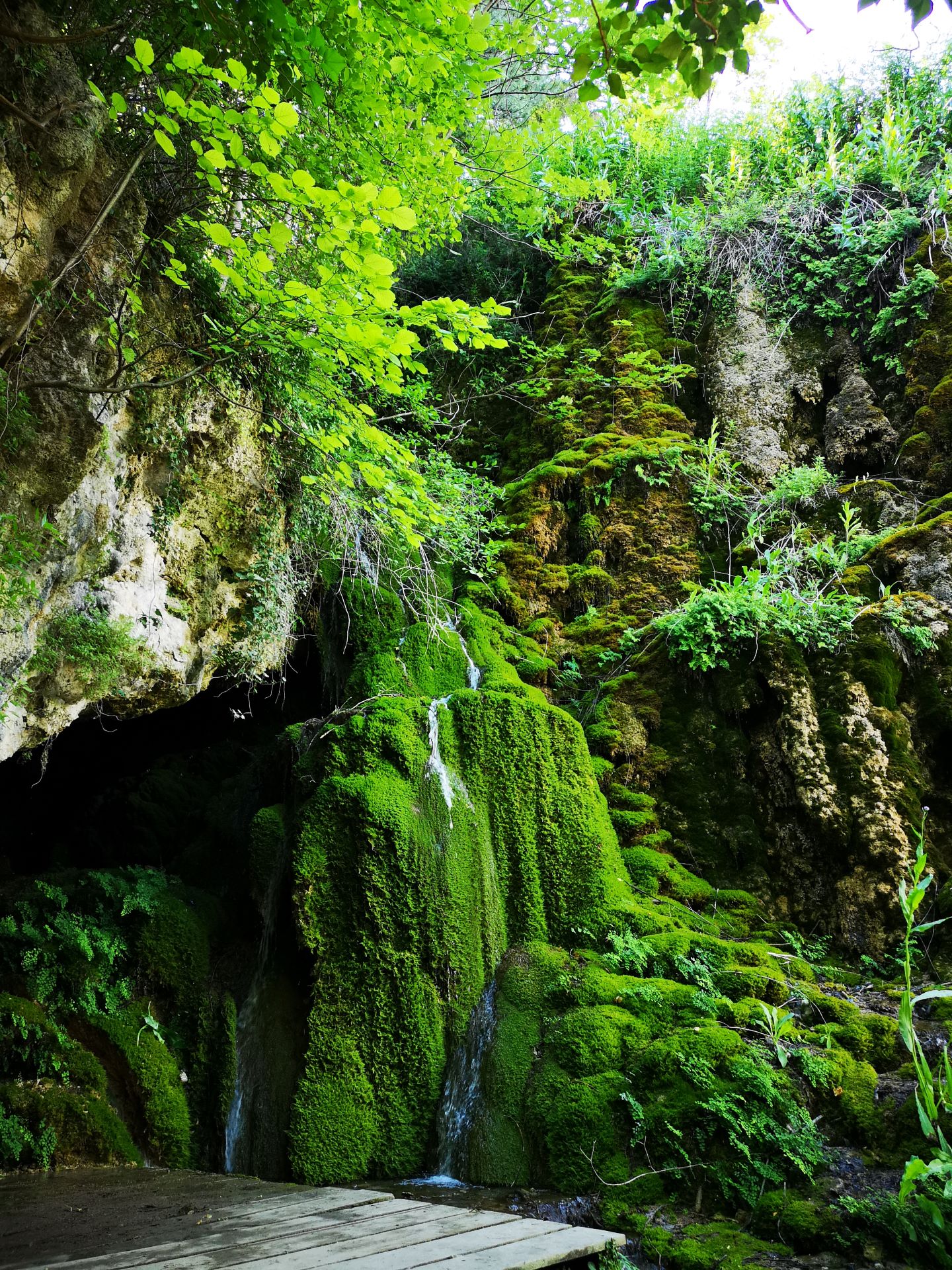
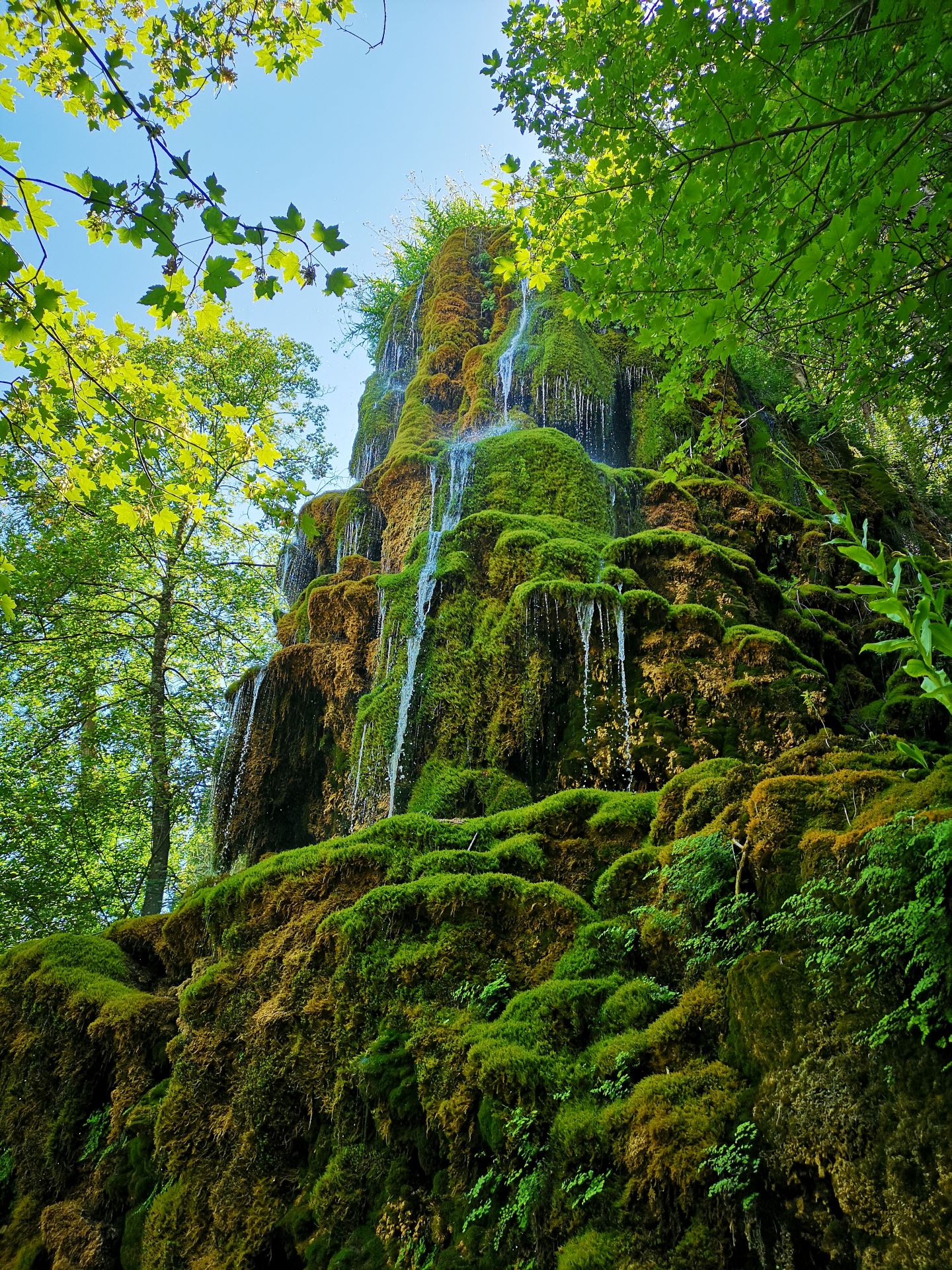
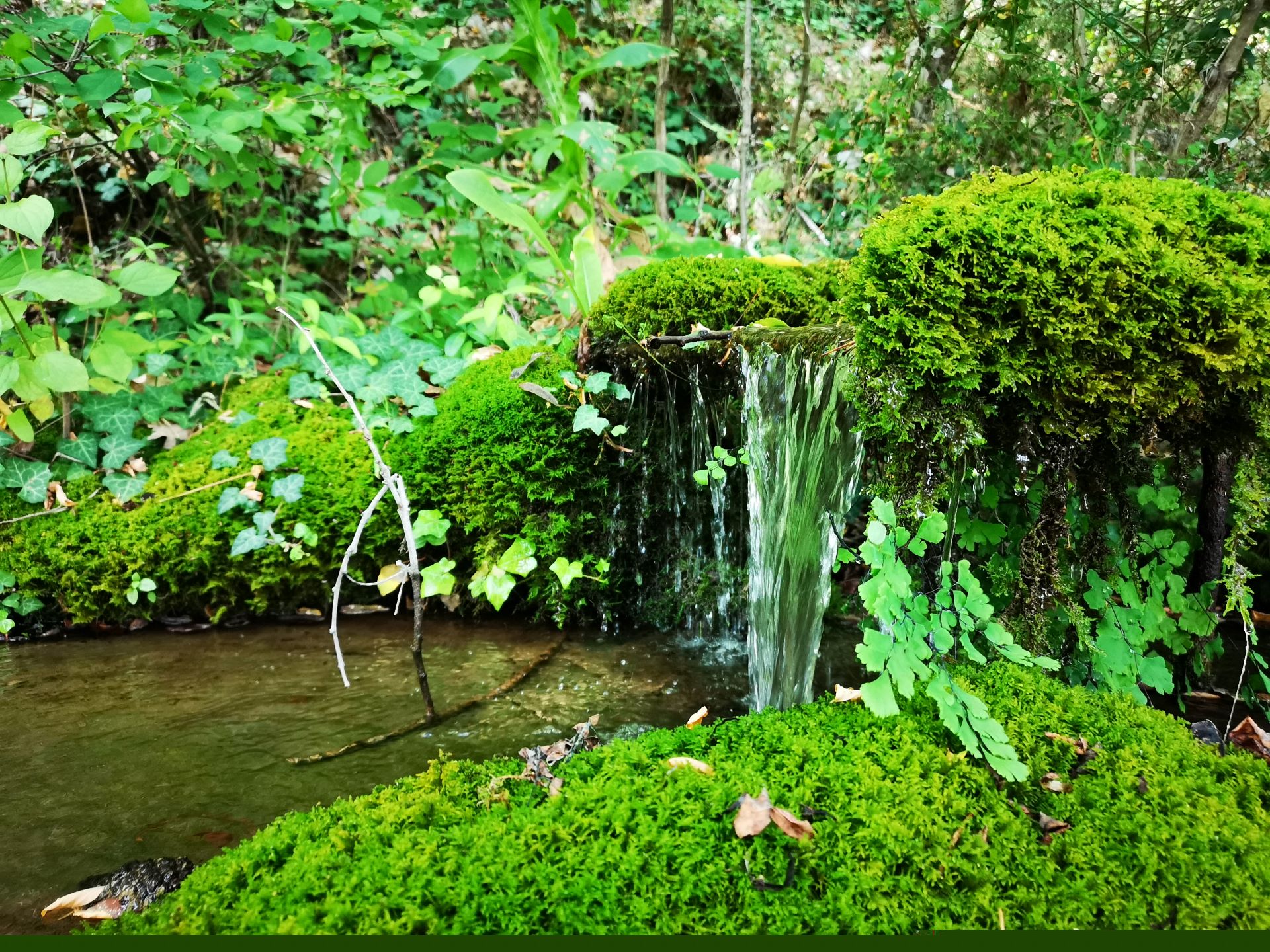
La Grande Cascade

It took several hundred years for the mass of tuff that forms the “body” of the great waterfall to develop. In order to live in this place, man once tapped the Saint-Benoît spring and directed the flow of water to a point: limestone was then deposited, accumulating the tuff. And every year, it’s necessary to check the progress of the tufa on the road!

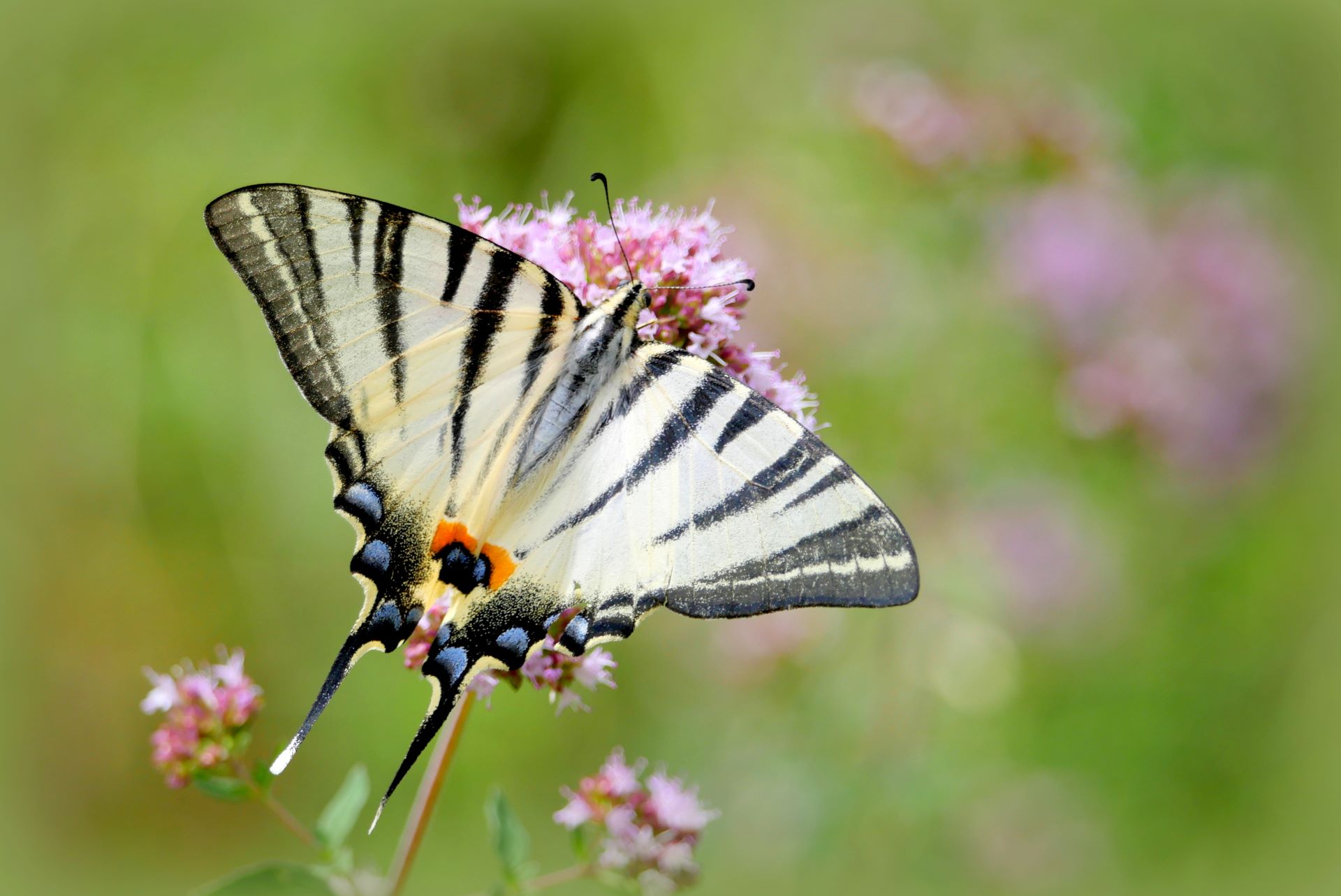
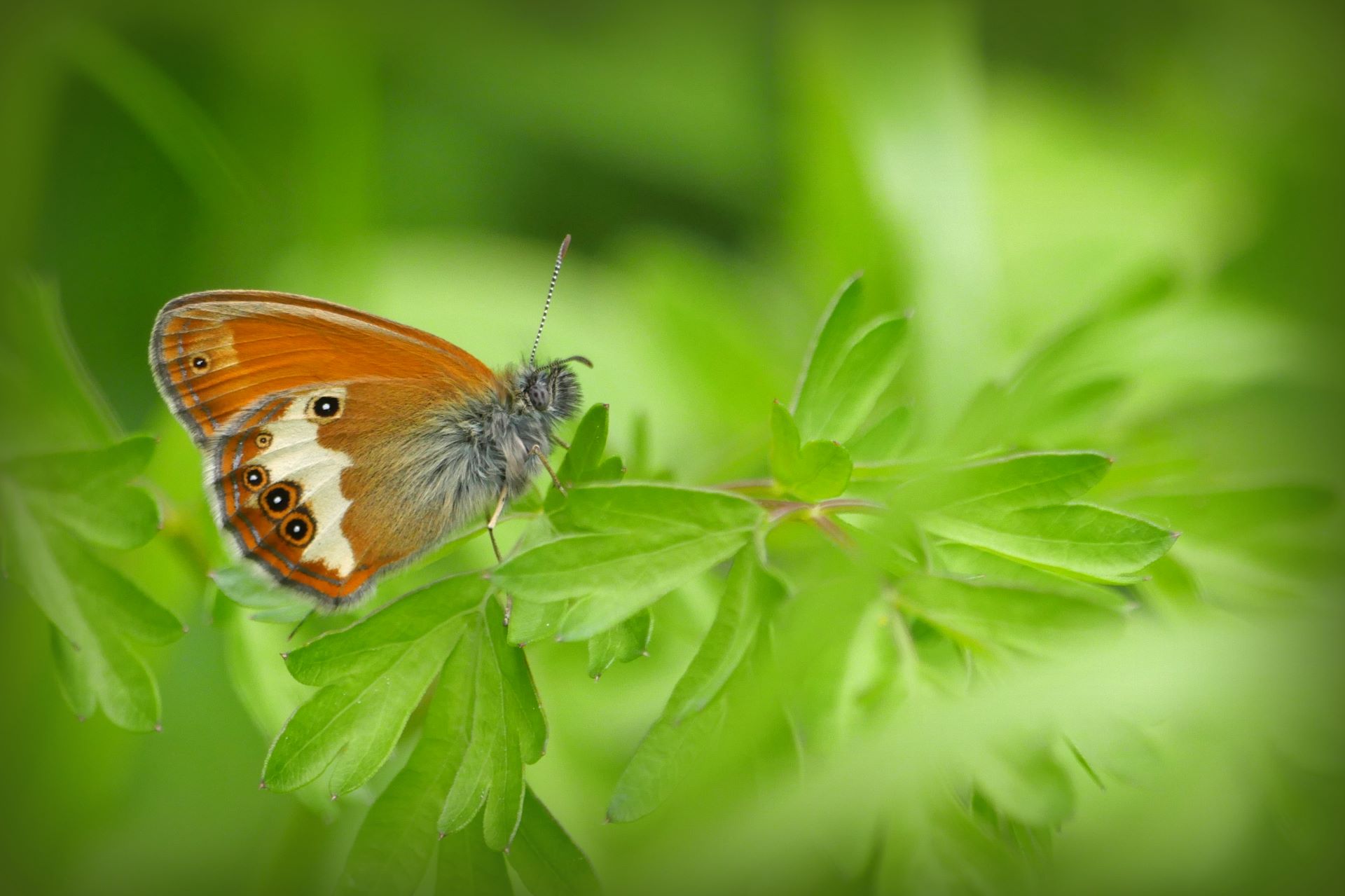
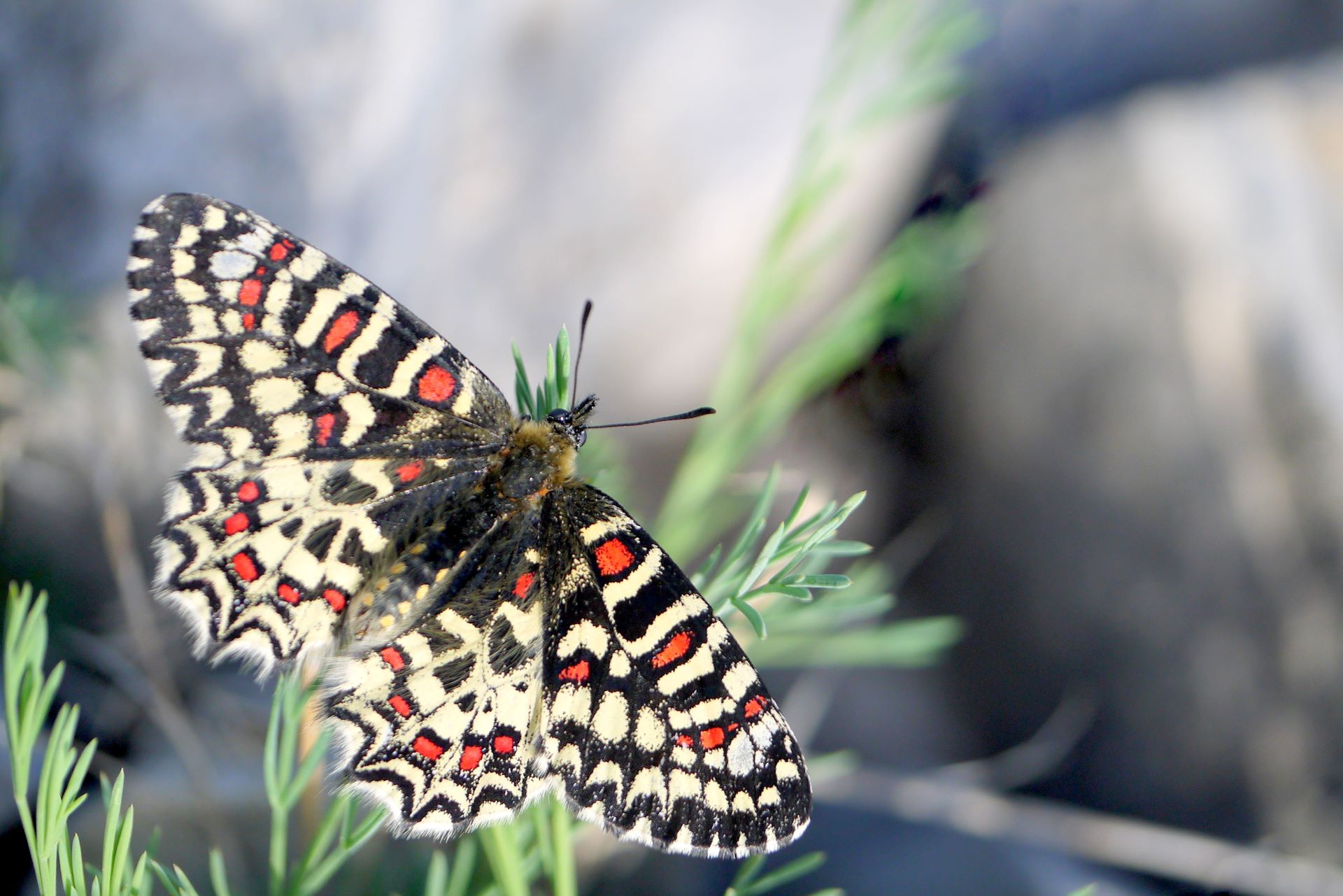
The butterfly garden

©AgnèsdePinho

Thanks to the water from the Saint-Benoît spring and a specific environment, in a climate that is both Mediterranean and mountainous, the park of the Musée-Promenade is a mecca for biodiversity. To create an oasis suitable for feeding and breeding Lepidoptera, the plants in the butterfly garden have been carefully selected. From April to November, over a hundred species of native butterflies can be observed in the wild. Come and discover these endangered pollinating insects that are so important to our ecosystem.

The contemporary art collection

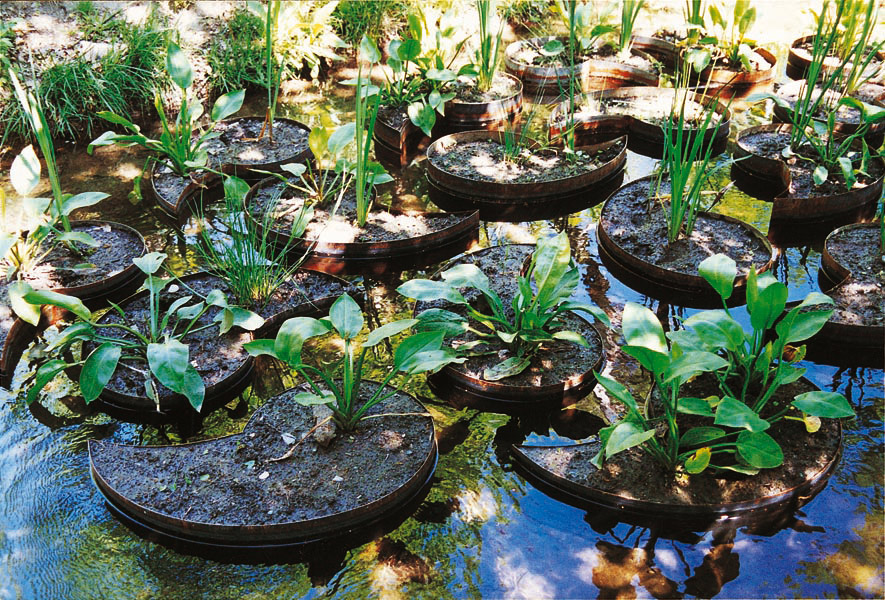
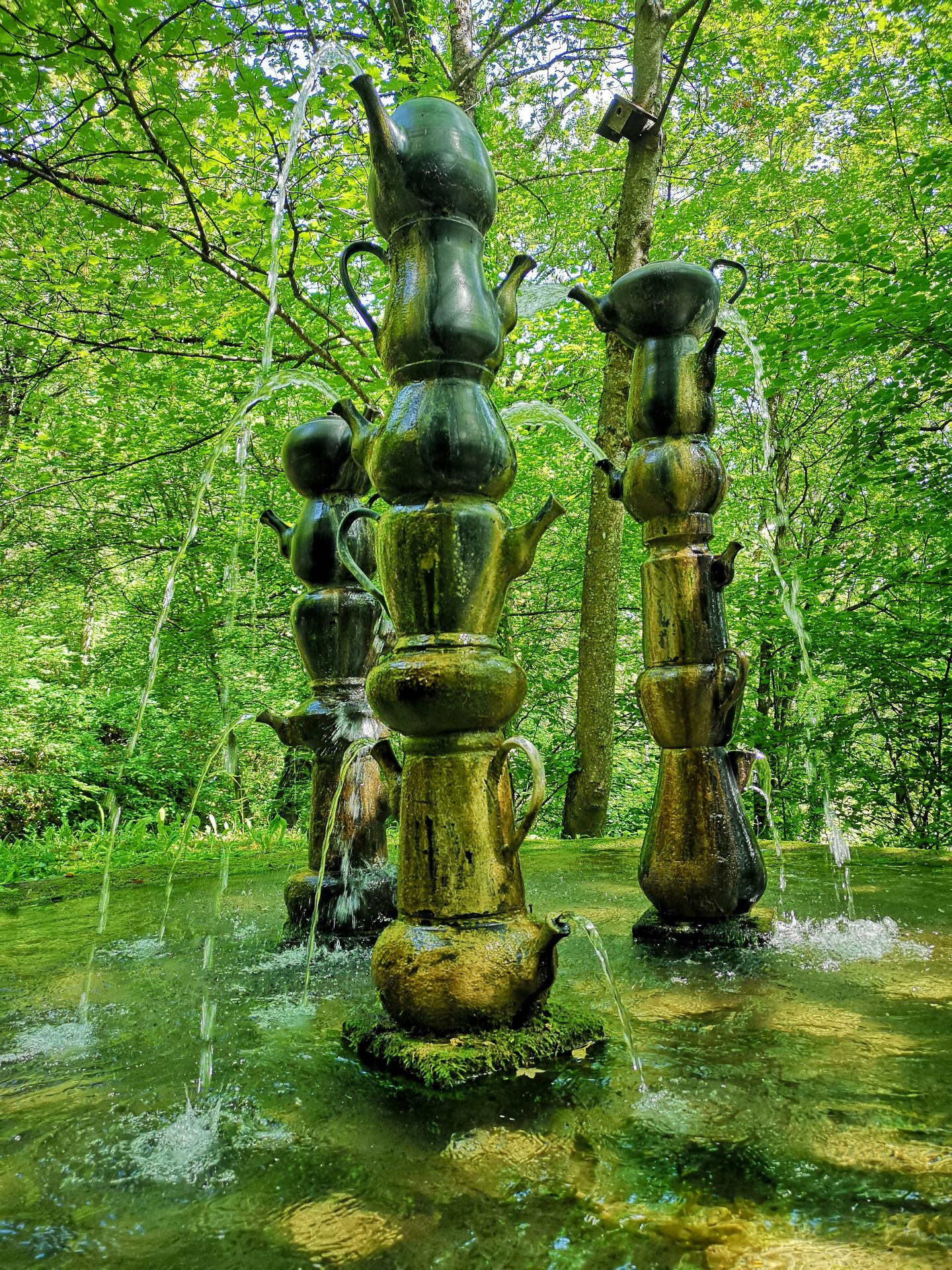
Each trail is punctuated by works by internationally renowned artists invited by CAIRN center d’art: Andy Goldsworthy, Joan Fontcuberta, Paul-Armand Gette, Catherine Marcogliese, Sylvie Bussières… Most were produced during artist residencies. These installations offer an original approach to discovering the park.

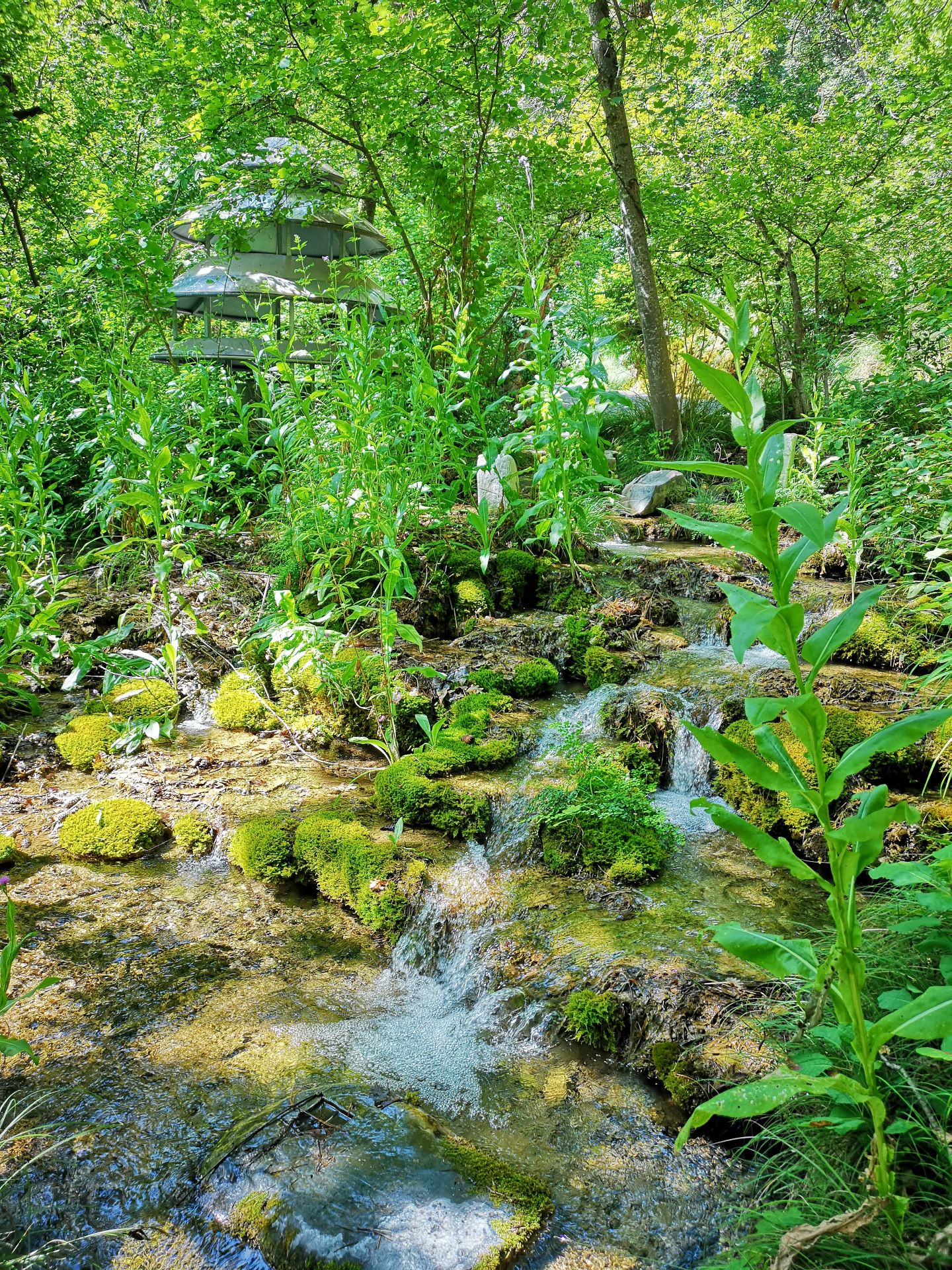
Kamaïshi Japanese Garden

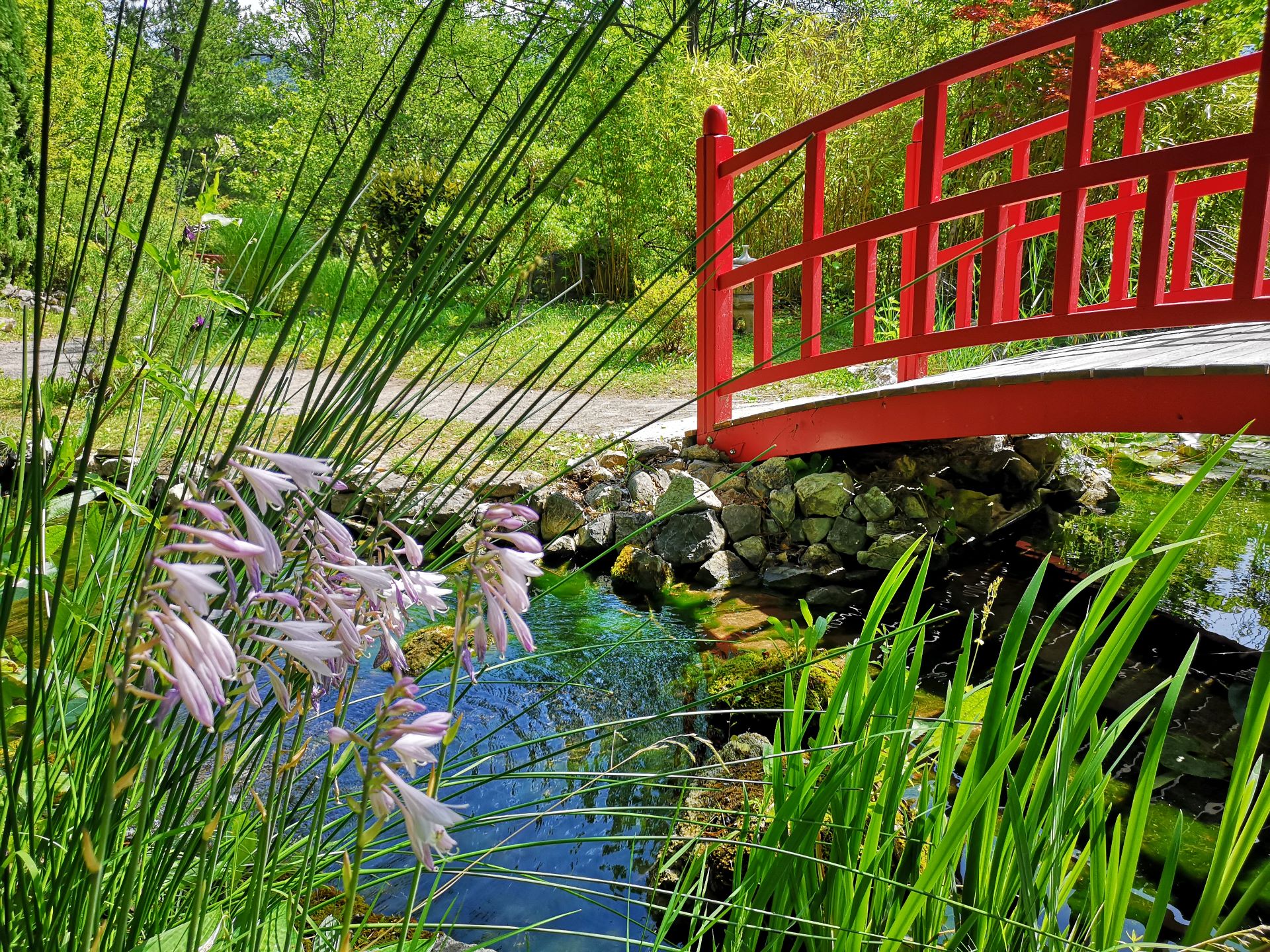
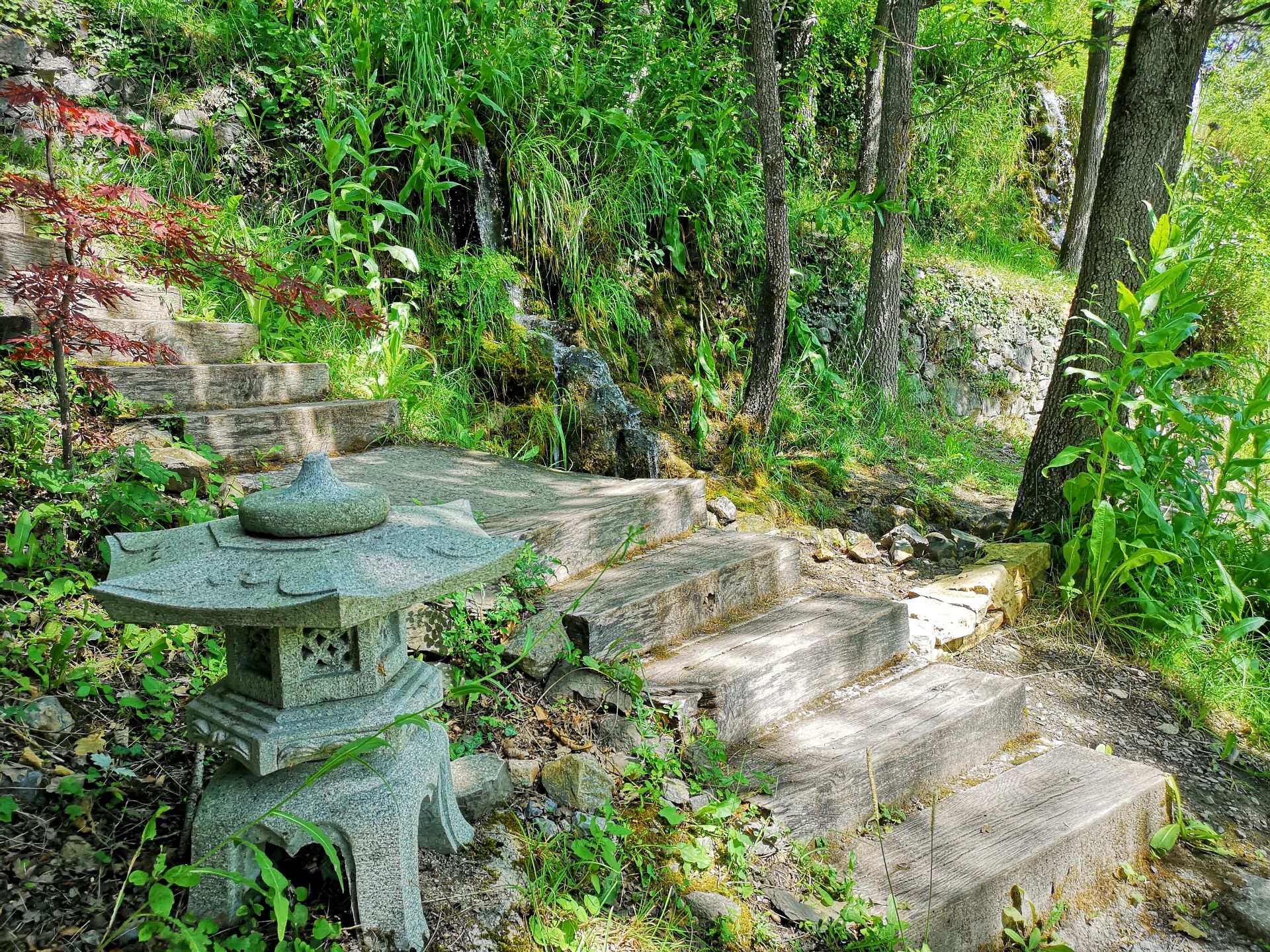
The Japanese had a cast of the famous ammonite slab made and installed in the town of Kamaishi. The garden was created in honour of the Japanese town’s twinning with Digne-les-Bains in 1994.
The Kamaishi garden symbolizes the journey of life. To grasp its full meaning, you need to explore it from bottom to top. Along the way, blooms are staggered in time and space, so that each season corresponds to the ages of life. When you cross the bridge, you enter the spirit world…

The Cairns Trail

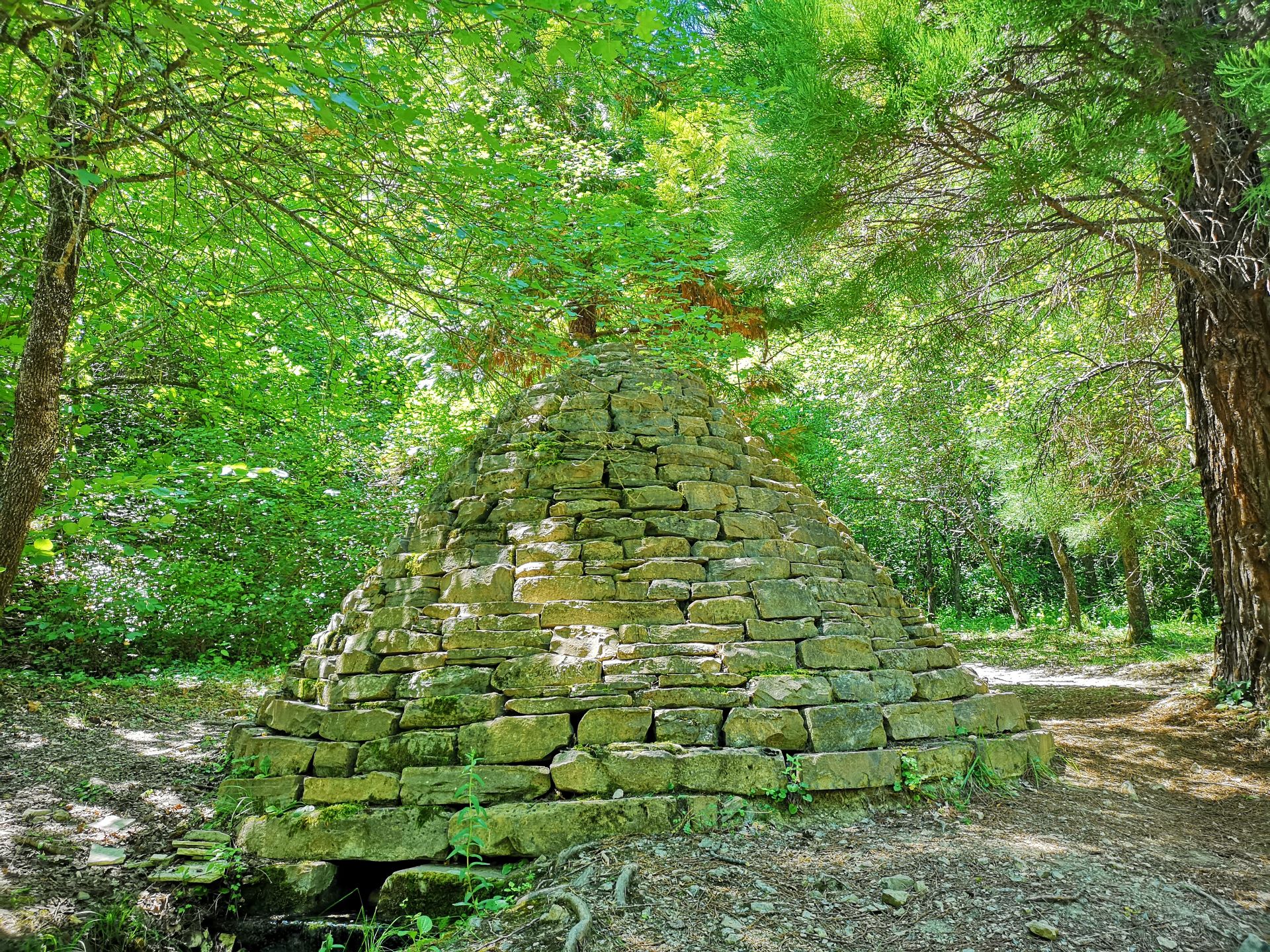
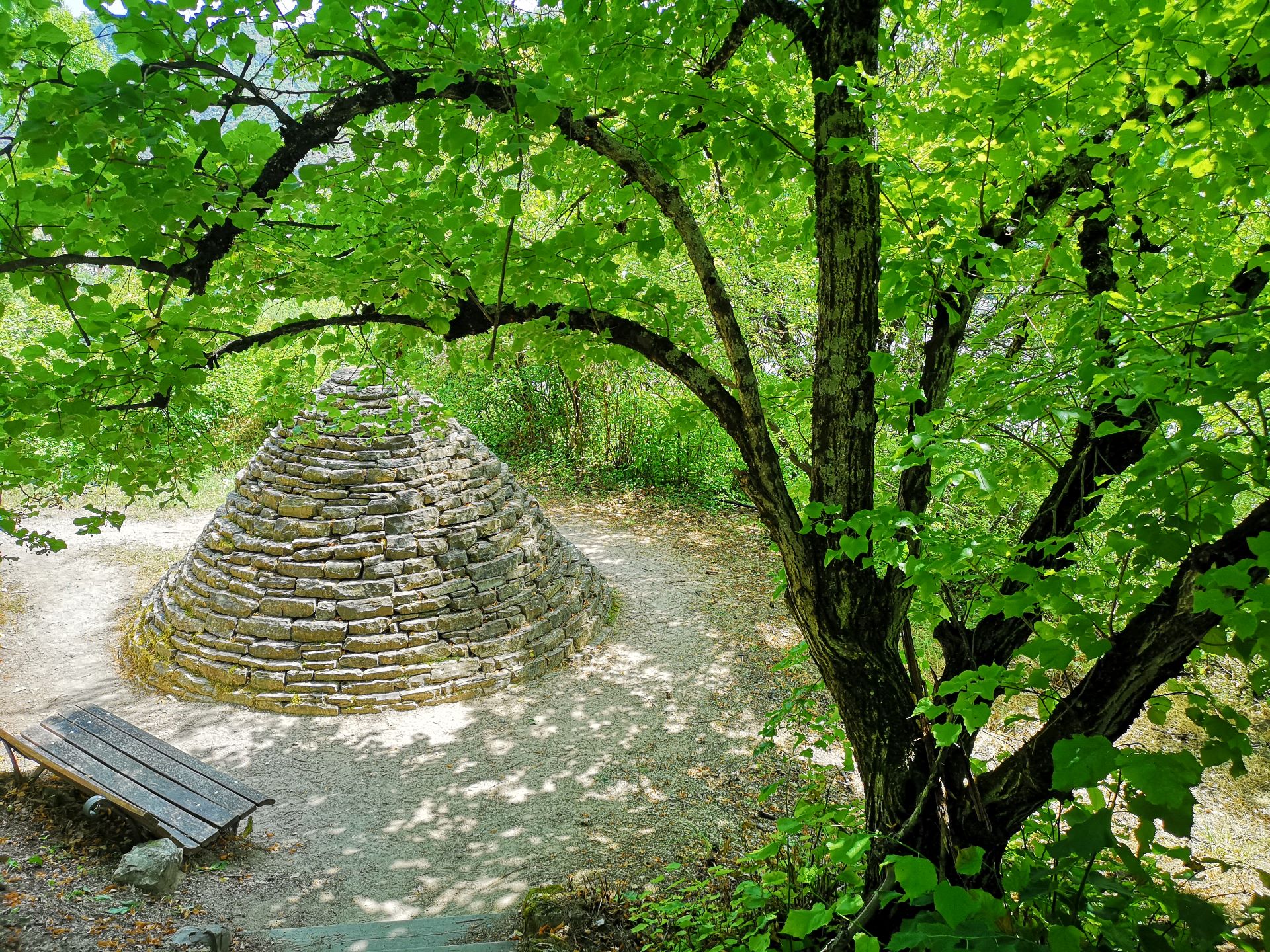
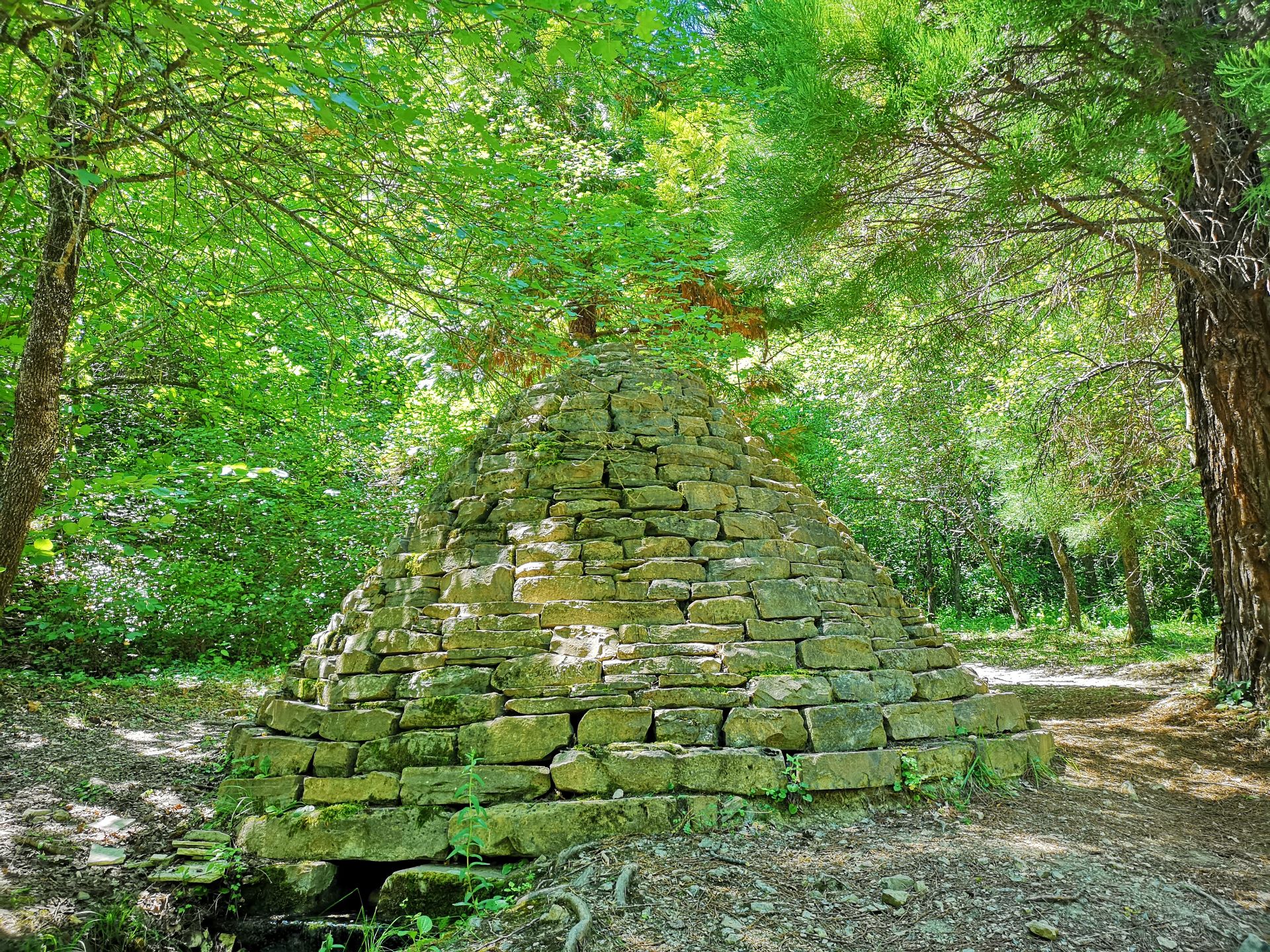
Andy Goldsworthy created this trail in 1998. This British artist is one of the leading exponents of Land Art: a movement in which the artist invests nature and landscapes to create a sometimes ephemeral work from materials collected in nature.

The Cairns Trail takes its name from the five “water-cairns”. From top to bottom, the first is dry; in the next three, you can hear the water without seeing it; it gushes out from the last to rejoin the natural environment.
Water circulates inside the sculptures, like a poetic metaphor for the Saint-Benoît spring, at once underground, invisible and gushing …

Walking time: approx. 15 minutes
Difficulty: moderate, various areas with stairs
Vertical rise: 60 metres

The water trail

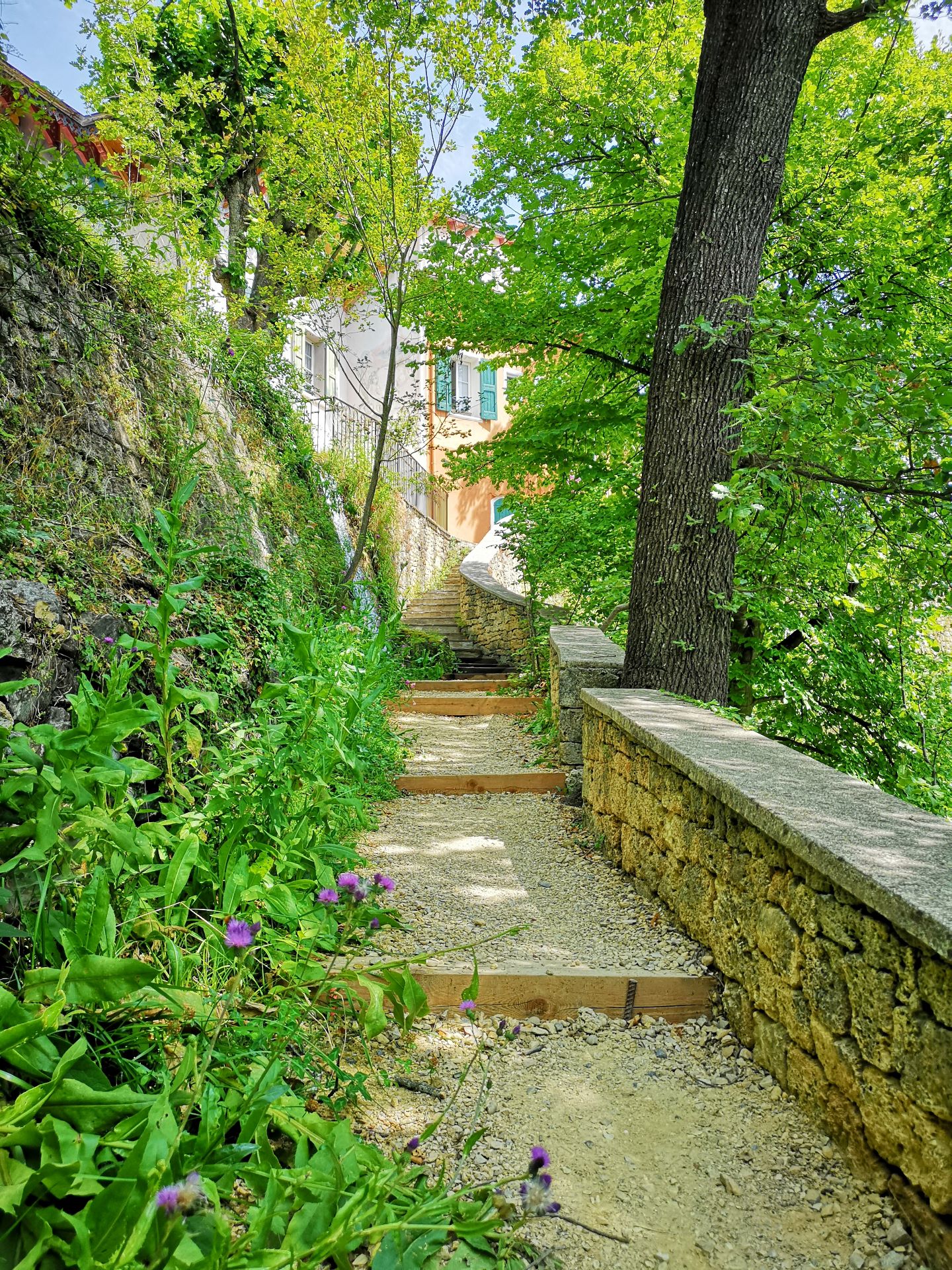
Winding along the water’s edge and under the trees, this refreshing trail offers a variety of atmospheres. It is punctuated by artistic installations and invites you to meditative discovery of the site. It gets as close as possible to the Grande Cascade.

Walking time: approx. 25 minutes
Difficulty: moderate, various areas with stairs, gradual gradient
Vertical drop: 60 metres
Saint-Benoît spring

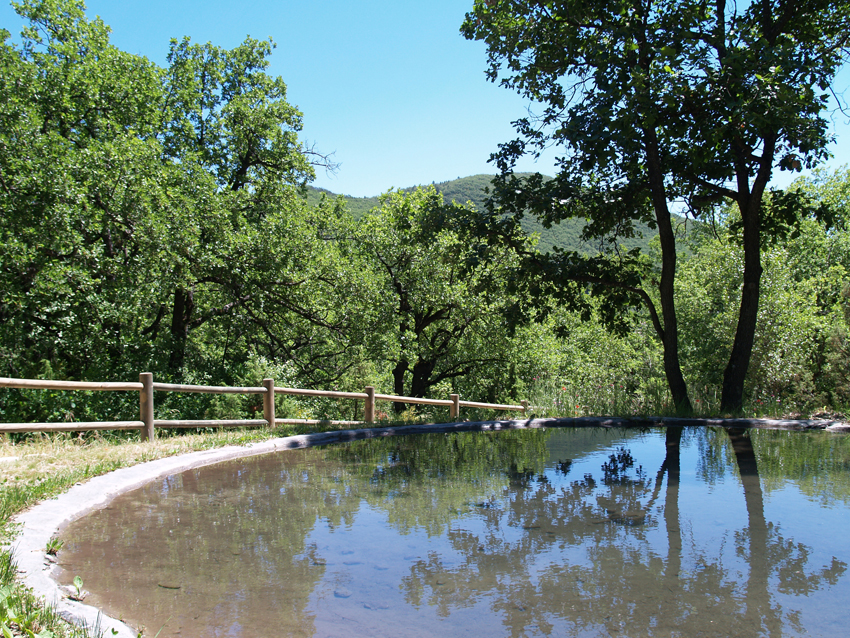
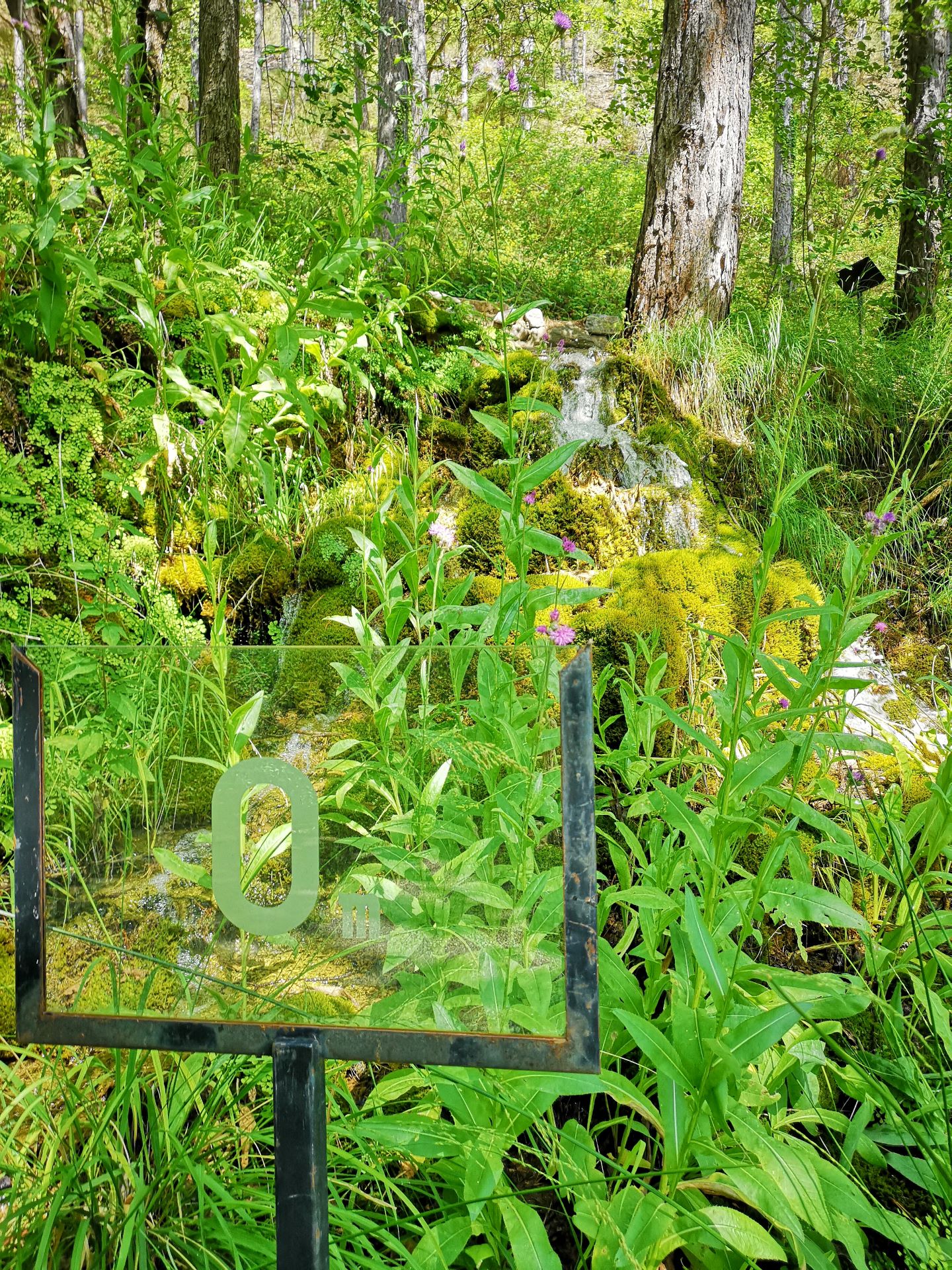
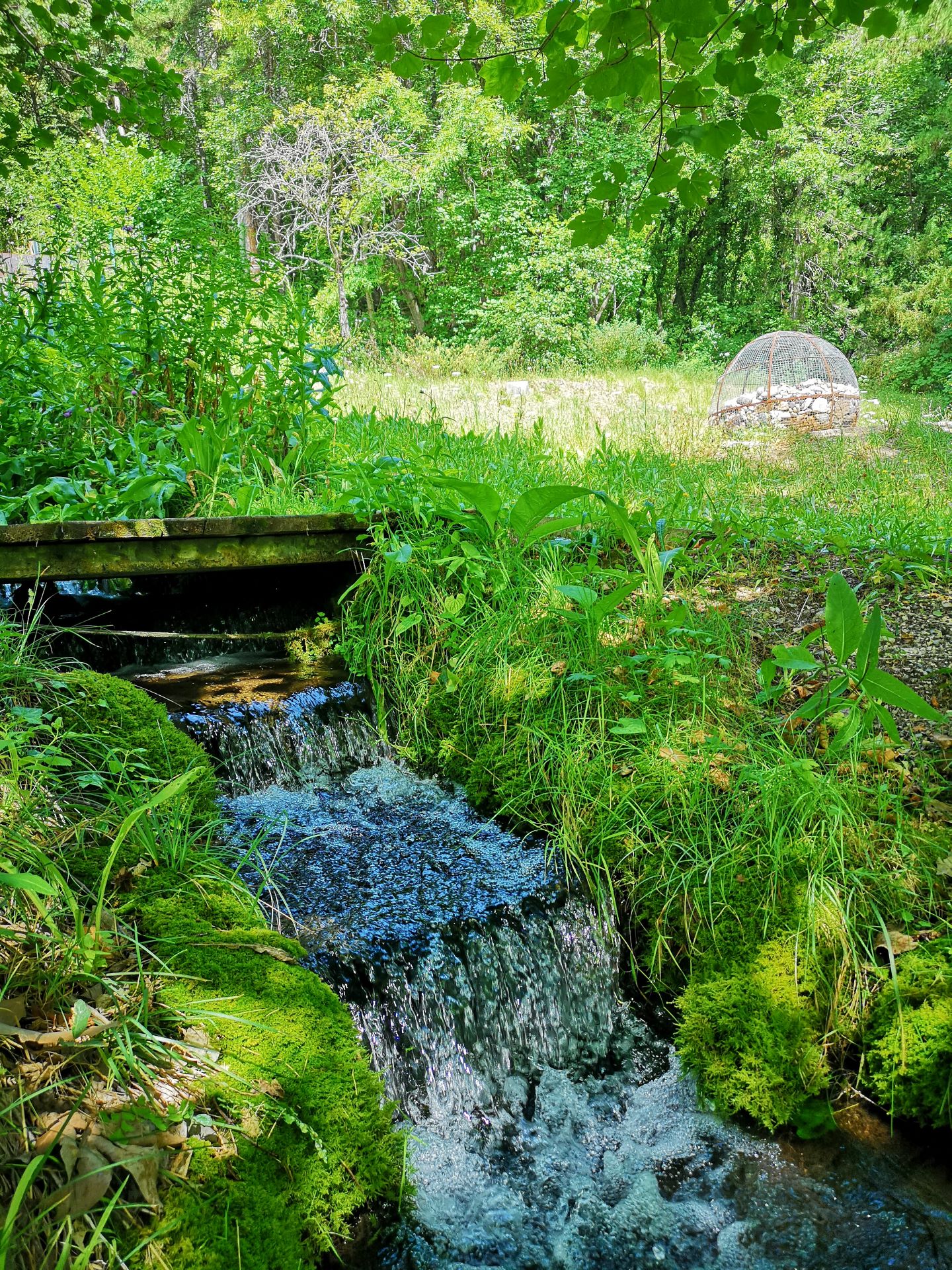
The wooded park of the Promenade Museum is criss-crossed by streams and waterfalls from the Saint-Benoît spring. This spring flows continuously in summer and winter. It releases an average of thirteen liters of water per second, equivalent to over 400 million liters of water per year. Its temperature, which fluctuates between 11 and 13°C, provides much-appreciated coolness in summer. Its sanitary conditions and quality enable it to supply the Promenade Museum with drinking water. The spring’s feed zone covers a few square kilometers to the north-west of the property. The water emerges through a fault.
Living dinosaurs

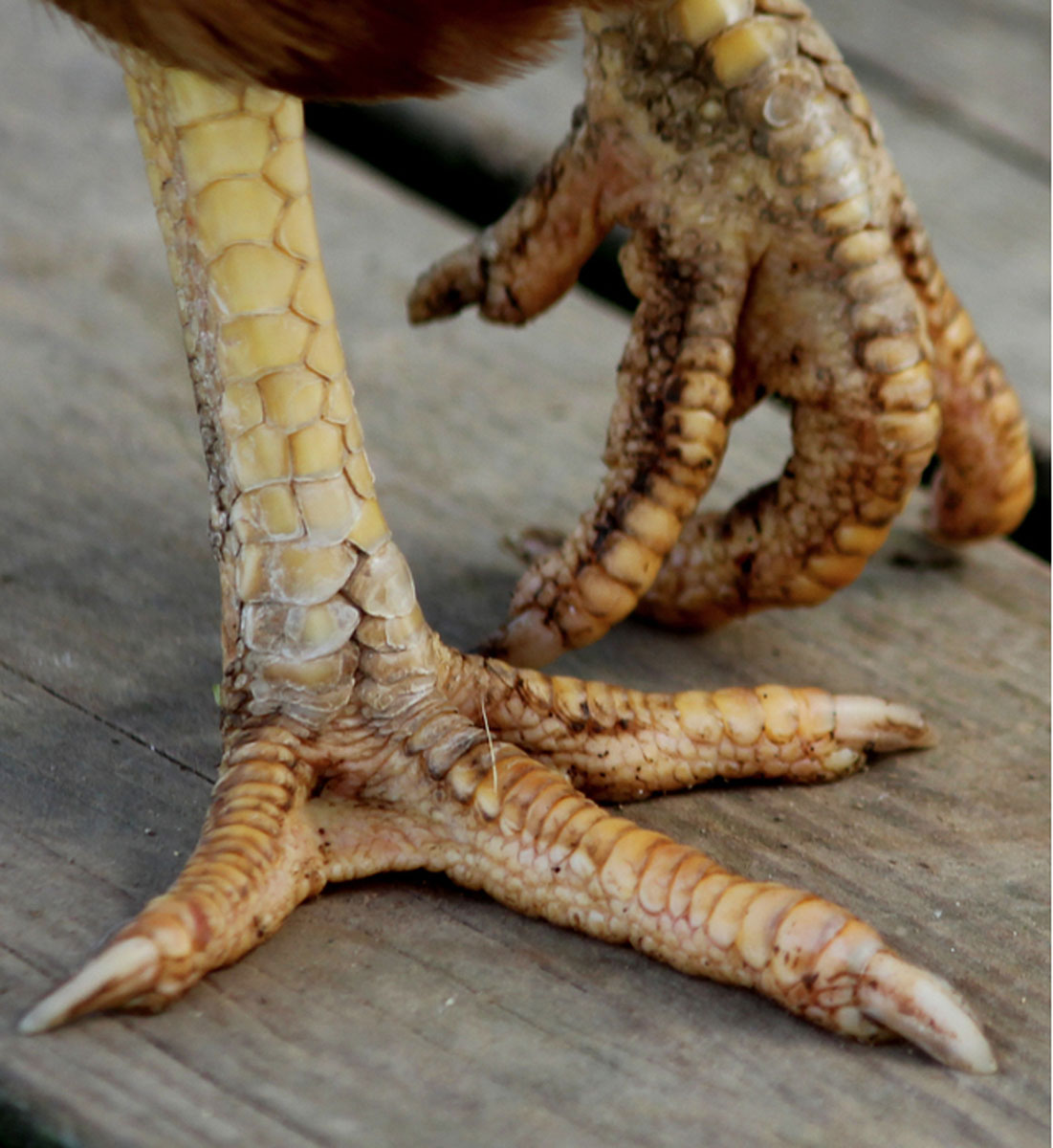
You may not know it yet, but there are dinosaurs still alive today in Digne-les-Bains and in many other parts of the world. We see them practically every day, and we pay them no attention. But who are they?