

EMBLEMATIC SITES
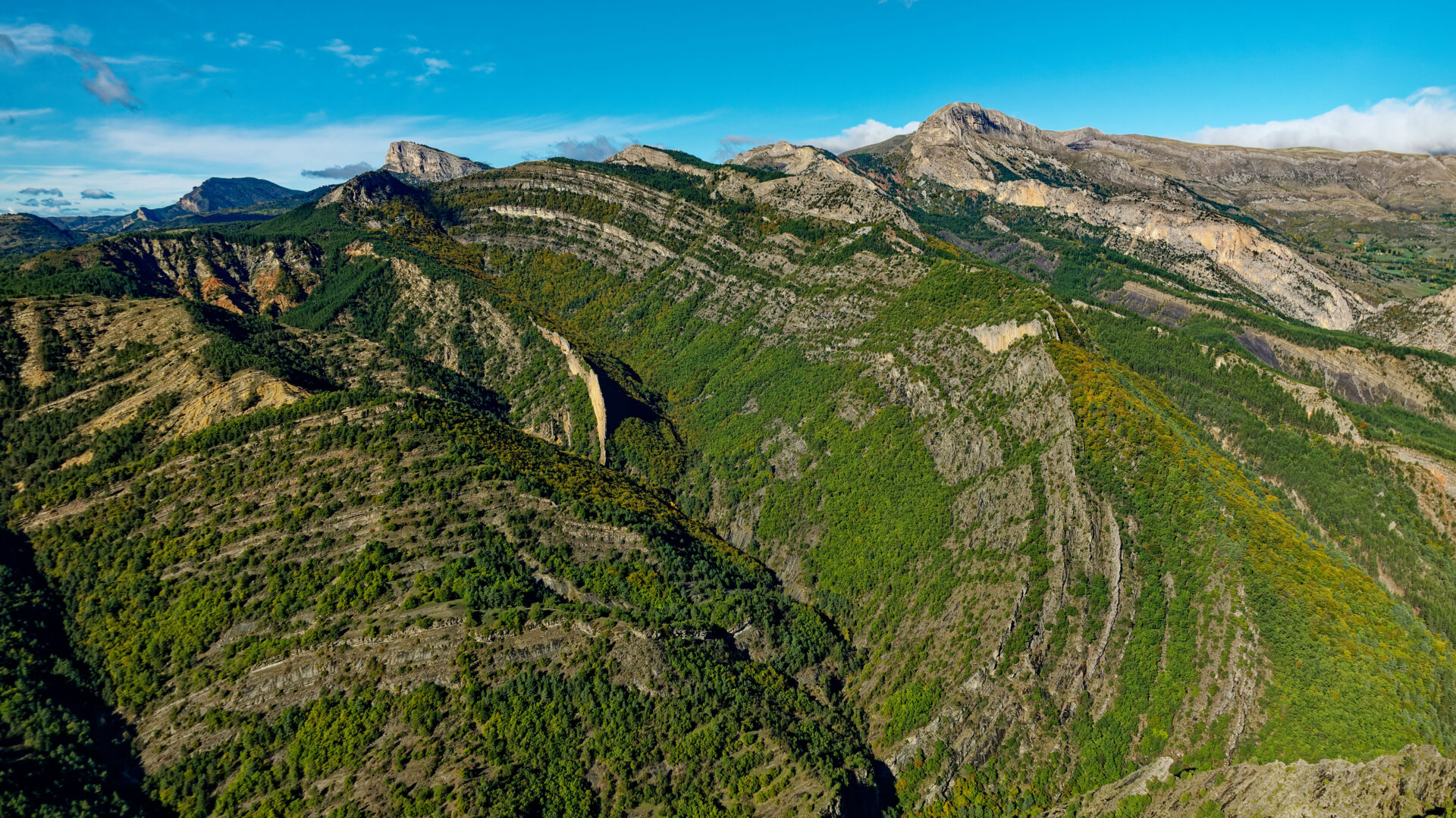
The tumultuous geological history of this region is at the origin of its reliefs and grandiose panoramas, such as that of the Vélodrome, where successive layers evoke a past that is always difficult to put into perspective on the scale of human time. From the Serre d’Esclangon (1152 metres above sea level),
you can see the gigantic fold at the heart of which a blade of rock rises skywards: the Lame de Facibelle.
Monumental as it may be, geology is sometimes discreet, like the astonishing bird footprints dating back 20 million years. It took certain weather conditions for these footprints to be fossilized one day, and they are still well preserved today.
Memories of Earth
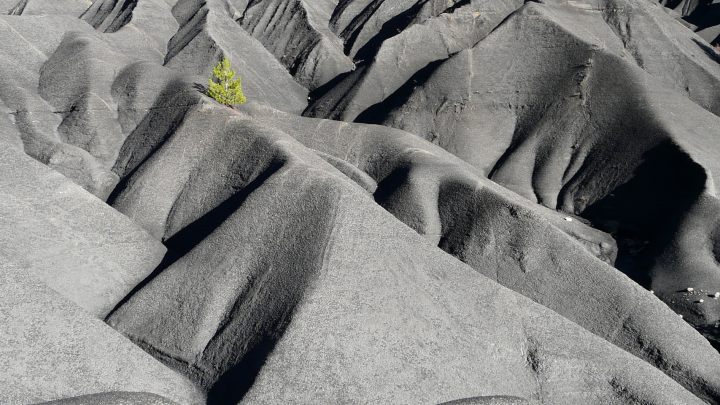
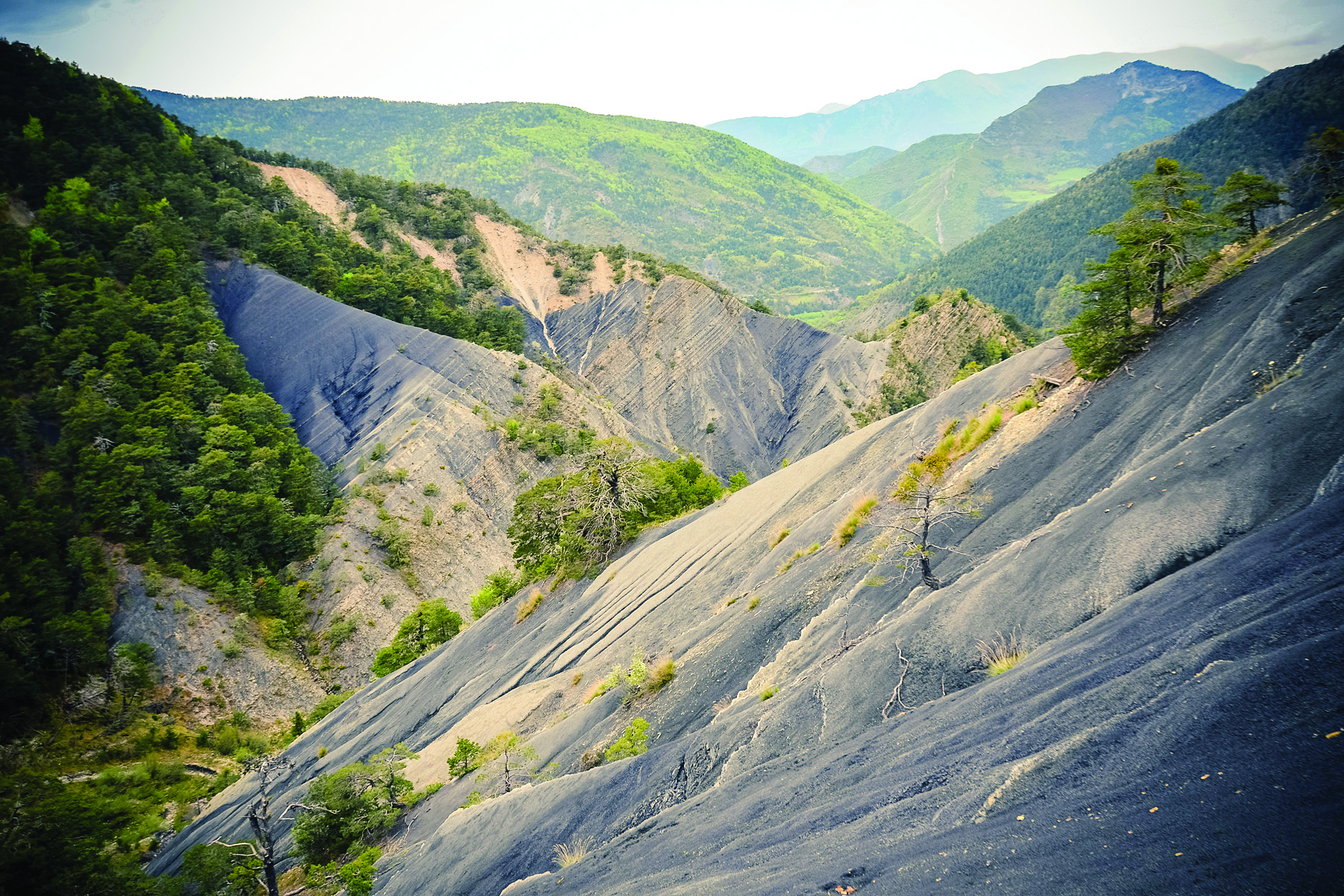
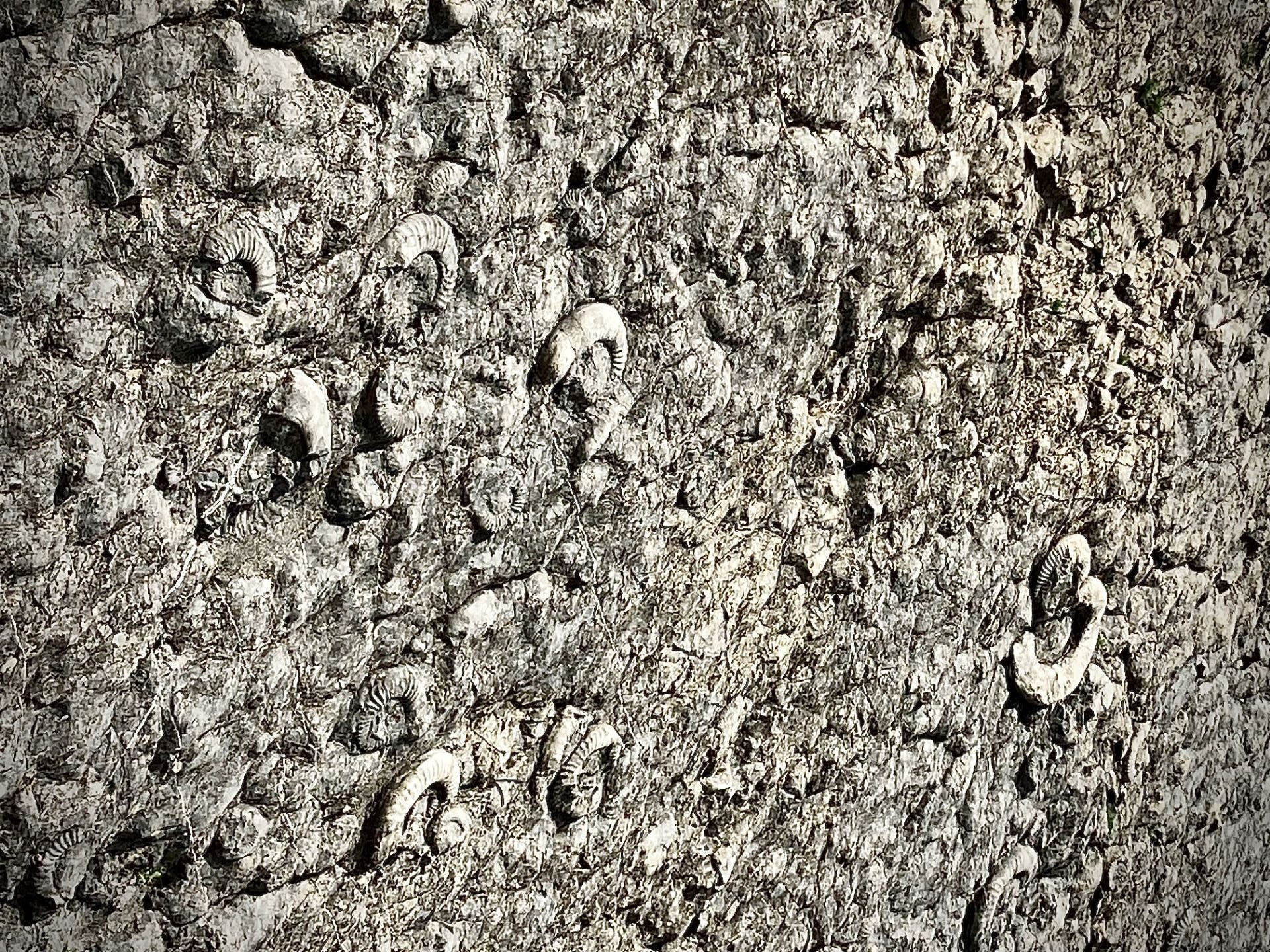
At the start of the Route de la mémoire de la Terre, let’s begin by examining the immense 320m2 slab covered with over 1500 fossilized ammonites and nautiluses. This slab is a precious witness to the seabed 200 million years ago. For millions of years, the sea covered the region. As it retreated under the effect of the rising Alps, it brought to the surface geological treasures such as the lunar desert of the Terres Noires and the strange sea monsters known as ichthyosaurs.
Then rivers and torrents carved away at the rock, sculpting splendid clues whose autumn colors bring out their power.
Examples include the clue de Sisteron, the clue de Péouré and the clue de Barles.
The collection of regional fossils at the Promenade Museum, a UNESCO Geopark of Haute-Provence interpretation center, is an ideal gateway to local geology.